What did South Melbourne used to be called?
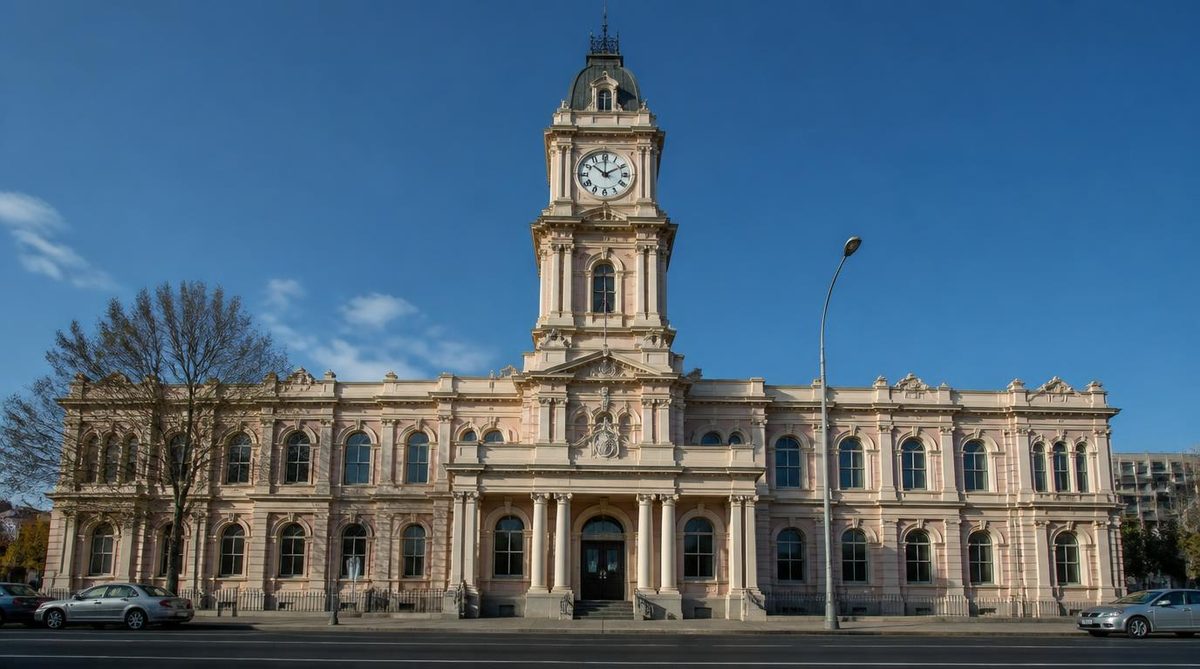
South Melbourne used to be called Emerald Hill. The name South Melbourne was adopted in 1883. That is the direct answer, but several other names appear in accounts of the area. Each belongs to a different part of its history.
Emerald Hill was the colonial name for the developing settlement and its municipal identity. Canvas Town referred to a temporary gold rush settlement nearby. Nerre nerre minum belongs to the area's older Indigenous naming history, while the Yalukit Willam are the Traditional Owners connected with this part of the Port Phillip region.
These terms should not be treated as a simple list of former suburb names. They describe different ways of knowing, occupying or governing the land. Keeping those roles separate gives a clearer answer than placing every name on one timeline.
Which former name gives the most accurate answer?
Emerald Hill is the former name that answers the question. It identified the settlement that developed into present-day South Melbourne and became part of the district's formal municipal identity.
The name South Melbourne came later. It placed the district in relation to the growing city of Melbourne, while Emerald Hill came from a visible feature within the local land. The two names therefore describe the area from different points of view. One looks at the ground itself. The other looks at the district's position beside the city.
This distinction matters because old maps, records and local histories may use Emerald Hill when discussing people or events now linked with South Melbourne. A person could have lived in Emerald Hill without moving house before later records described that same district as South Melbourne. The place changed its official name around them.
Emerald Hill could also mean more than the crest of a hill. As settlement grew, the term came to identify the surrounding community and local government area. That wider use is why it counts as South Melbourne's former name rather than a minor landmark label.
A useful memory rule is simple: Emerald Hill was the earlier colonial and municipal name. South Melbourne was the name adopted in 1883.
Why was the settlement called Emerald Hill?
Emerald Hill took its identity from an areas of higher ground that stood above the lower land around it. The rise was easy to recognise in a district where wet and swampy ground shaped movement and settlement.
Modern streets can hide that contrast. Roads, buildings and other works have made the land seem more even than it once was. The older name preserves a clue about the surface beneath the city. It tells us that elevation helped people identify the place before a dense urban grid became the main way to describe it.
The higher ground offered a clear point of reference. Someone approaching through the surrounding area could distinguish the rise from the flatter country near the lower Yarra River, Port Phillip and the land toward Albert Park. The hill therefore served as a practical place marker as well as a name.
That physical setting also explains why Emerald Hill was more than an attractive phrase. Colonial place names often grew from features that settlers could see and use for direction. Here, the contrast between the rise and nearby low ground gave the developing settlement a distinct identity.
The word Hill is the most useful part of the old name for reading the area today. It directs attention to the natural form of the land. The modern suburb name gives no such clue. South Melbourne tells people where the suburb sits in relation to Melbourne, but it does not describe the ground.
Looking at the name this way prevents a common mistake. Emerald Hill was not an arbitrary title replaced during a routine change. It was rooted in how the settlement was first recognised. As streets spread beyond the rise, however, a name based on one landform no longer described the district in the same way.
What came before the name Emerald Hill?
The area's history began long before either Emerald Hill or South Melbourne appeared in colonial records. This land forms part of the much older Aboriginal history of the Port Phillip region. The Yalukit Willam have a longstanding connection with this country.
Nerre nerre minum is associated with the Indigenous naming history of the area. It should be treated with care. A Traditional Owner group and a place name are not the same kind of term. Yalukit Willam identifies people and their connection to Country. Nerre nerre minum is a name associated with place.
It is also misleading to say that Nerre nerre minum was simply the suburb's first official name. The modern suburb and municipality came from a colonial system of mapped boundaries and local government. Aboriginal understandings of Country do not fit neatly inside those later lines.
The names therefore do not form a clean administrative sequence in which one authority renamed the same fixed suburb several times. Indigenous place naming belongs to an older cultural and geographic setting. Emerald Hill belongs to colonial settlement and municipal development. South Melbourne belongs to a later urban identity tied to the expanding city.
This difference changes how the history should be told. Starting with Emerald Hill can make the land seem unnamed and unknown before colonial settlement. It was neither. People already had connections to the land, ways of describing place and knowledge shaped by the wider waters and country around Port Phillip.
Exact modern boundaries should not be forced onto that older layer. The current suburb is a surveyed unit within the City of Port Phillip. Country extends through relationships and geographic features that do not have to match a council map. That is why Nerre nerre minum adds needed context without replacing Emerald Hill as the answer to the specific former-name question.
Was South Melbourne once called Canvas Town?
Canvas Town was not the formal former name of South Melbourne. It was a temporary tent settlement associated with the sharp rise in population during the Victorian gold rush.
The confusion is understandable. Canvas Town existed in the wider area and appears in histories about the development of South Melbourne. Because it came before the modern suburb name, readers can assume that the whole district passed from Canvas Town to Emerald Hill and then to South Melbourne. That sequence gives Canvas Town a role it did not have.
The word canvas describes the material used for temporary shelter. The term referred to a settlement form created by urgent demand for accommodation. It did not serve as the lasting civic identity for the complete district. Emerald Hill did.
The difference becomes clear when the names are sorted by function:
- Canvas Town described a particular temporary settlement linked with gold rush growth.
- Emerald Hill identified the developing place and its municipal community.
- South Melbourne became the later official name for the urban district.
Canvas Town still belongs in the story because it shows how quickly settlement patterns could change. Large numbers of people needed somewhere to stay, and canvas shelters formed a visible community on land south of central Melbourne. Yet the label should not be stretched across every resident or every part of the present suburb.
It is best understood as a chapter within the settlement history rather than a step in the formal naming history. If someone asks what South Melbourne used to be called, the answer remains Emerald Hill. If someone asks how people were housed in the area during the gold rush influx, Canvas Town becomes relevant.
Why did Emerald Hill become South Melbourne?
The change reflected an area that had grown beyond its early identity as a settlement centred on a noticeable rise. By 1883, the name South Melbourne placed the developed municipality in a wider urban setting.
The new name used direction and proximity. The district lay south of central Melbourne, across the Yarra River from the city. Calling it South Melbourne made that relationship clear to people who understood Melbourne as the main point of reference.
No single reason is needed to explain the change. The older name came from local terrain. The newer one suited an urban district whose identity was increasingly tied to the city beside it. Municipal development, denser streets and the spread of settlement all form part of that shift in viewpoint.
The word South also made the name easier to read at a regional scale. Emerald Hill required local knowledge. South Melbourne immediately placed the district on a mental map of the growing city. It described location rather than appearance.
That did not erase Emerald Hill from local use. Former place names often survive because they hold detail that a newer name loses. Emerald Hill still points to the elevated ground and the community that formed around it. It can appear in historical accounts as a geographic name, a civic identity or a way of referring to the district before 1883. The South Melbourne guide offers additional context on the district's evolving identity.
The name change should not be read as the moment when South Melbourne began. It marks a change in municipal language, not the creation of the land or its whole community. Nor should it be used to fold the area's Aboriginal history into a colonial naming sequence. Each layer answers a different question.
How should the different names be understood?
The clearest way to understand the names is to separate Country, settlement and municipal identity. This avoids treating every term as though it named the same area under the same system.
Yalukit Willam Country and Nerre nerre minum connect the place with an Indigenous history older than the modern suburb. Emerald Hill identifies the colonial settlement and municipality that developed on the higher land. Canvas Town describes a temporary settlement within the wider gold rush story. South Melbourne is the later official name adopted in 1883.
This layered view also explains why two statements can sound similar while only one answers the query. Saying that Canvas Town stood in the area may be historically relevant. Saying that South Melbourne was formerly called Canvas Town turns a local settlement label into a formal suburb name. Emerald Hill is the accurate answer because it carried the broader place and municipal identity that South Melbourne replaced.
Use one final rule when reading a plaque, map or local history: look at what the name is naming. If it names the former colonial district, choose Emerald Hill. If it describes temporary gold rush tents, it means Canvas Town. If it concerns the area's older Aboriginal connection to place, read it within the context of Yalukit Willam Country and Indigenous naming rather than as an earlier council label.