Is South Melbourne a Nice Place to Live?
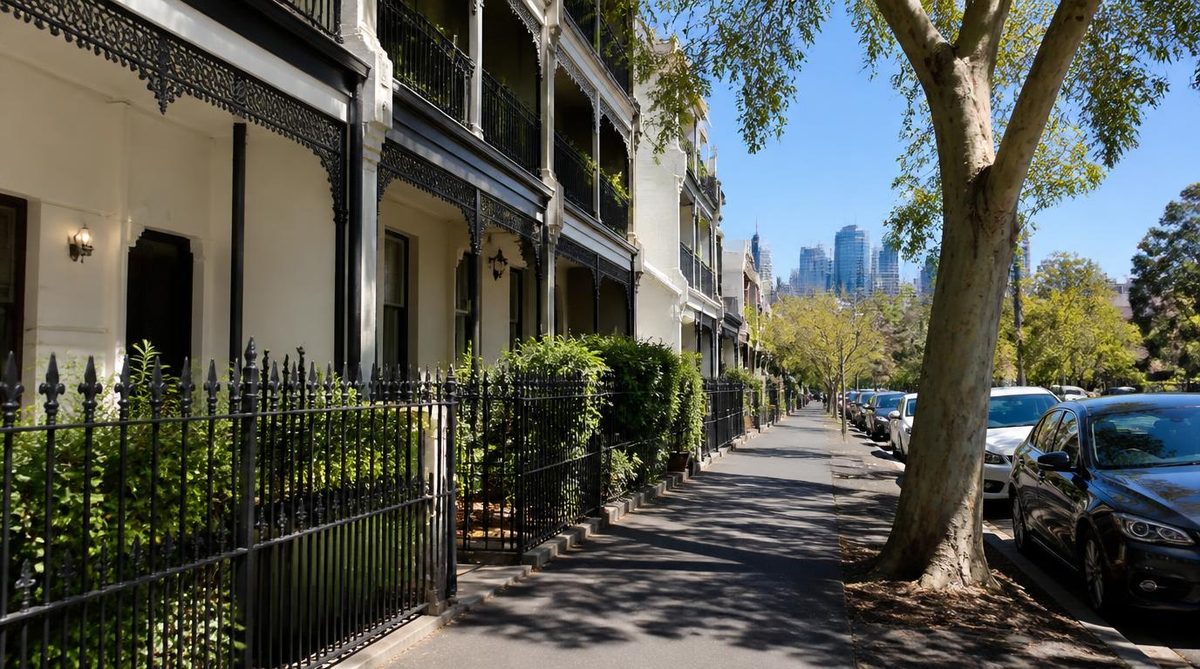
Yes, South Melbourne is a nice place to live if you value a walkable neighbourhood, quick city access and a strong local food scene. It suits people who want inner-city life without living among the office towers of the Melbourne central business district. Still, there are trade-offs.
Homes can be costly, some streets carry heavy traffic, and noise can affect properties near busy roads or late-night venues.
The best way to judge this suburb is through daily life. Think about the walk from your front door, the sound inside the home, the space you get for your money and the places you'll use each week. South Melbourne can feel like a close village on one block and a busy city edge on the next.
Your exact address matters almost as much as the suburb name.
Who tends to enjoy living here?
South Melbourne works well for people who want most daily needs close to home. A resident can buy food, visit a cafe, exercise and catch public transport without planning a long trip. That saves time and makes short walks part of a normal day.
City workers often value the short trip to the Melbourne central business district. Couples may like the mix of dining, parks and local shops. Downsizers can enjoy having services nearby, though stairs and limited parking can make some older homes a poor fit.
Families may value the location and outdoor space, but they need to compare home size, school needs and traffic street by street.
Remote workers should inspect the area during business hours. A quiet side street may make for a calm workday, while a home near construction, a tram route or a loading area may feel very different. An apartment with good windows can be quieter than a charming older terrace with gaps around its doors.
A useful test is to picture an ordinary Tuesday, not a sunny weekend. Where will you buy dinner? How long will your commute take?
Can you work or sleep with the windows open? Those answers show whether the area fits your real routine.
What makes daily life easy?
what South Melbourne is known for. Many homes sit within a short walk of grocers, cafes, health services and public transport. Clarendon Street acts as the main local spine, with shops and services spread along the route.
So you can finish several small errands in one trip.
South Melbourne Market is more than a place to shop. It gives residents a regular local routine. People visit for produce, meat, seafood, prepared food and household goods.
The surrounding streets also have cafes and small stores. The area gets busy during popular market periods, so nearby residents gain convenience but also face more visitors and parking demand.
The suburb's position makes nearby areas easy to reach. Port Melbourne offers the beach, Bay Street and a different dining scene. The city centre sits close in the other direction.
This gives residents access to several distinct areas without having to move house or spend much of the day travelling.
Public transport is useful, but the best route depends on the address. Tram access may be handy from one part of the suburb and less direct from another. Anyone with a fixed workplace should test the full door-to-door trip at the hour they'll travel.
A route that looks short on a map can feel slow after waiting, changing services and walking at each end.
Does the area still feel like a neighbourhood?
Yes. South Melbourne keeps a local identity despite sitting beside the city. Older terraces, corner businesses and the market help create that village feel.
Familiar faces appear when residents use the same bakery, gym or tram stop each week.
This sense of place is strongest away from major traffic routes. Side streets can feel settled and residential, while main roads feel faster and more commercial. The shift can happen within a few minutes on foot.
That contrast suits people who want quiet at home but activity nearby.
The buildings also change across the area. Historic homes sit near newer developments, offices and converted buildings. This mix gives buyers and renters more choice, but it creates big differences in light, privacy and street character.
Two homes at the same weekly price may offer very different living conditions.
Community life often grows through repeated habits, not formal events. A person who walks locally, shops at independent businesses and visits the market is more likely to feel connected. Someone who drives out for every need may miss much of what makes South Melbourne appealing.
What kind of home gives the best experience?
The best home is one that handles the area's main trade-offs. It should block outside sound, get useful natural light and have enough storage for the way you live. A famous postcode can't make up for a dark bedroom or a poor floor plan.
Apartment buyers and renters should check the building, not just judge the lobby. Stand inside with the windows shut, then open them. Listen for traffic, lifts, garage doors and nearby machines.
Check whether the bedroom shares a wall with a lift shaft, bin room or common hallway. Visit when neighbours are likely to be home.
Owners corporation fees also need context. A simple low-rise building may cost less to run, while a larger complex with lifts, shared facilities and large common areas may charge more. Ask what the fees cover and check any planned works before making a decision.
Terraces and cottages have character, yet some come with narrow rooms, little storage and limited car access. Older walls and windows may let in sound or outside air. Renovated homes can fix these issues, but cosmetic work doesn't prove the roof, drainage or insulation is sound.
Parking needs an honest check. Don't assume a permit will mean there's a space outside your door. Look at the street after work and during market hours.
If you use a car every day, secure parking may be worth more than an extra decorative feature inside the home.
How much does street choice affect comfort?
Street choice has a major effect on life in South Melbourne. Homes near Clarendon Street put shops and transport close at hand, but some spots get more foot traffic, delivery activity and evening sound. Homes near large roads may offer quicker car access while bringing more engine noise.
Noise behaves in ways that surprise many renters and buyers. A high floor may rise above some street activity, yet it can pick up sound from roads travelling across open space. A rear-facing bedroom may be calm even when the living room faces traffic.
Double glazing helps, but weak seals and open ventilation points can make it less useful.
Inspect at the times that matter to you. A weekday morning shows commuter traffic and loading activity. An evening visit reveals lighting, parking demand and venue sound.
If weekend rest matters, return while the market and nearby cafes are busy.
Also check the walk between the property and your regular destinations. A home may be close to a tram in distance but require crossing a wide, busy road. Another may sit farther away yet offer a calmer, more pleasant route.
Daily comfort comes from the whole journey, not the number shown on a property listing.
Where can residents find open space?
South Melbourne is dense, but residents can reach several useful outdoor areas. Local reserves are good for short walks and casual exercise. Larger spaces around Albert Park and Lake give you room for running, cycling, sport and time beside the water.
Albert Park, Victoria sits directly beside South Melbourne and adds to the range of places residents can use. The park and lake can feel like an outdoor extension of the neighbourhood, especially for people living in smaller homes. Open space matters more when an apartment has no yard or only a compact balcony.
Distance alone doesn't decide whether a park will improve your life. The route must feel easy enough to use often. Walk from the property to Albert Park and Lake before signing a lease or buying.
Check the road crossings and the time it takes at your normal pace.
People with dogs, children or a set training routine should check the rules and facilities that fit their needs. A green patch nearby may look useful on a map but lack the space, access or equipment they expect.
How does it compare with nearby areas?
South Melbourne offers a middle ground between the city centre and bayside living. Compared with the Melbourne central business district, it often feels more residential and built around local routines. The city may offer a shorter walk to some offices, but South Melbourne gives residents a clearer break between work and home.
Compared with Port Melbourne, South Melbourne feels more linked to the inner-city grid and market district. Port Melbourne may appeal more to people who put beach access near the top of their list. South Melbourne may suit those who prefer quick access to the city, the market and the park.
Nearby Albert Park can feel quieter in many pockets and may attract people seeking a more settled residential setting. South Melbourne brings more daily activity close to the front door. Neither choice is better for everyone.
The right choice follows the routine you want to repeat.
Make the comparison using matching homes. Comparing a renovated house in one area with a dark unit in another tells you little about the suburbs. Match the property type, condition, parking and walking distance to transport.
Then decide which location gives you more of what you'll use.
What drawbacks should you accept before moving?
The first drawback is cost. Demand for inner-city access, established streets and local services can push up both sale prices and rents. A smaller home may cost more than a larger property farther from the city.
The value comes from saved travel time and nearby amenities, so it drops if you rarely use them.
Space is another limit. Some homes have small bedrooms, little outdoor area or poor storage. This may work for someone who spends much of the week outside the home.
But it can become frustrating for a household that works from home or owns bulky equipment.
Traffic, construction and event activity can affect some addresses. Parking may be hard near popular areas. Older properties may also need more heating, cooling or upkeep than their looks suggest.
The common mistake is paying for the idea of South Melbourne while ignoring the actual home. A poor property stays poor even when the surrounding suburb is appealing. Judge the bedroom at night, the kitchen during a normal meal and the street when it's busy.
How should you test South Melbourne before deciding?
Start with a written daily routine. Mark your workplace, preferred transport, food shopping, exercise and regular appointments. Walk the likely routes from each property instead of trusting travel estimates.
- Visit the address during a weekday peak period and again after dark.
- Test the home with windows open and closed, paying close attention to the bedroom.
- Walk to South Melbourne Market, Clarendon Street and your likely transport stop.
- Compare the total housing cost, including parking, owners corporation fees and expected travel.
- Spend one normal morning in the area without treating the visit like a day out.
Then score the property on the things that shape every week: sleep, travel time, usable space and access to places you'll visit. Don't give equal weight to features you may use once a month.
Actionable takeaway: test your chosen South Melbourne address during your real travel and sleep hours before you commit, because the right street and home matter more than the suburb's reputation.