What is South Melbourne known for?
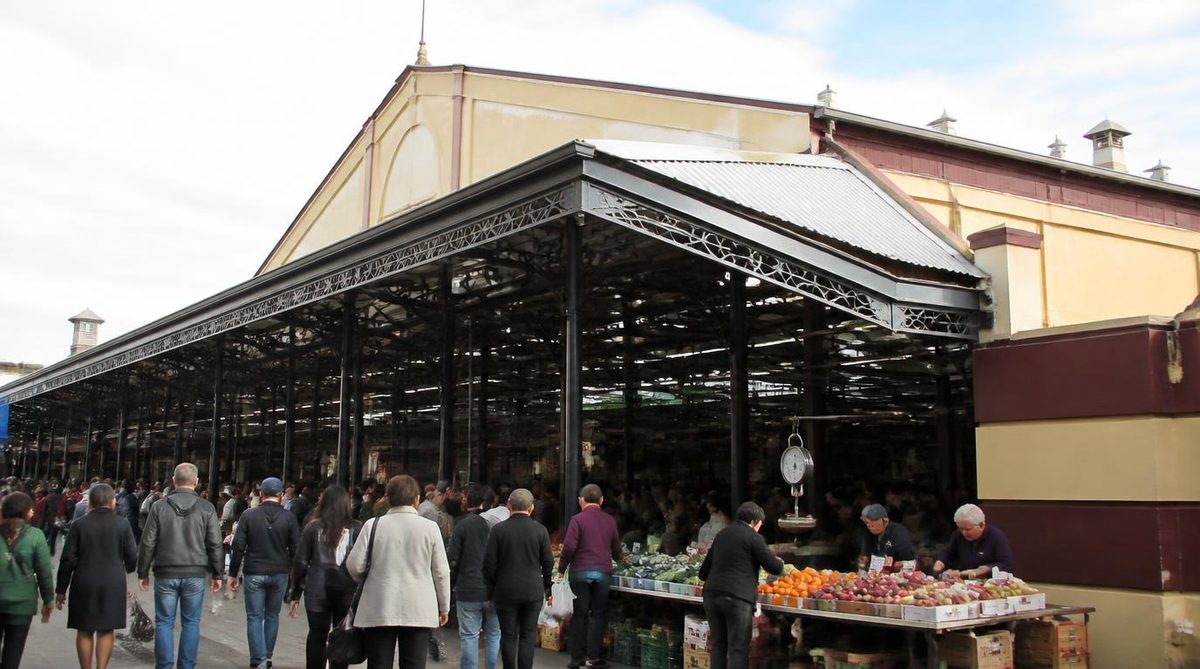
South Melbourne is best known for South Melbourne Market, its food and cafe culture, independent shops and the historic streets around Emerald Hill. Close to Melbourne’s central business district, the suburb combines Victorian era character with the pace of an active inner suburb.
The market is the clearest symbol of South Melbourne, but it does not tell the whole story. Its appeal comes from the way several parts work together. Market traders draw people into the area. Coventry Street carries that activity into nearby cafes and shops. Older buildings give the streets a clear sense of place. The city sits close by, yet the suburb keeps a smaller, street-level feel.
This mix makes South Melbourne nice place to live. Visitors can browse food stalls, stop for a meal and then walk through streets shaped long before the newest towers and commercial buildings appeared. The experience feels connected rather than split into separate attractions.
Why is South Melbourne Market the suburb’s defining landmark?
South Melbourne Market is the suburb’s best-known destination because it brings food, shopping and local street life into one place. It works as a practical market and a social meeting point. People come to buy fresh produce or specialty goods, yet many stay to eat, browse and watch the market move around them.
A visit is shaped by small choices. You might follow the smell of cooked food, pause at a produce display or turn into a row of specialty shops. The market rewards slow browsing because its character comes from the shift between fresh food, prepared meals and useful goods. It feels different from a shopping centre where stores follow a set layout and the experience is tightly controlled.
The market also gives visitors a quick way to understand the wider suburb. It is busy, practical and closely tied to food. It mixes regular customers with people making a special trip. That blend creates the village-market atmosphere often linked with South Melbourne.
What many guides miss is that the market matters because of what happens beyond its doors. It feeds activity into Coventry Street and the nearby blocks. A person who arrives for one purchase can easily add coffee, lunch or a walk through surrounding shops. The landmark and the neighbourhood support each other.
Timing changes the feel of a visit. A busy period brings movement, conversation and queues around popular food counters. A quieter spell makes it easier to study displays and notice how the building connects with the street. Neither experience is the single correct way to see it. The market’s identity includes both its rush and its everyday trade.
Treating the market as a quick photo stop misses its purpose. It is a place built around exchange, appetite and habit. Allow enough time to look beyond the first row of stalls, then step outside and continue through the surrounding streets.
How does Coventry Street extend the market experience?
Coventry Street carries the market’s energy into a wider mix of cafes, restaurants, bars and independent shops. This is where South Melbourne starts to feel like a neighbourhood rather than a landmark surrounded by unrelated businesses.
The change happens at walking pace. One shopfront may focus on food, while the next offers home goods, clothing or a service used by local residents. Tables and takeaway windows add movement to the footpath. Older facades keep the street visually varied. The result feels less planned than a purpose-built dining district, which is part of its appeal.
Food remains central, though it takes a different form outside the market. Inside, the focus often falls on ingredients, produce and food eaten during a browse. Nearby hospitality gives people a reason to sit longer. A market trip can turn into breakfast or an afternoon drink without requiring a new destination.
Independent retail also shapes the area’s identity. Smaller shops tend to ask more of the visitor than large chain stores. You need to look through windows, enter side streets and pay attention to what sits between the obvious stops. That process makes browsing part of the visit rather than a task to complete.
The useful way to think about Coventry Street is as a link. It connects the market with the rest of South Melbourne’s street life. It also joins commercial activity with the suburb’s older physical character. Contemporary food businesses can occupy buildings that still carry the scale and detail of an earlier city.
This is why a list of venues cannot fully explain South Melbourne. Individual businesses change. The pattern is more durable: a market at the centre, hospitality around it and independent shops spread through walkable blocks. The identity survives because the parts reinforce one another.
Visitors should resist mapping every stop before arriving. A strict list can turn the area into a series of errands. Choose one reason to visit, such as the market or a meal, then leave room to follow the street. South Melbourne makes more sense through the spaces between planned stops.
What does Emerald Hill reveal about the area’s past?
Emerald Hill reveals the older identity beneath modern South Melbourne. The name is tied to the elevated part of the area and remains a useful way to understand why local history feels visible rather than sealed inside a museum.
Victorian era buildings and narrow street patterns create a strong contrast with newer development closer to central Melbourne. Ornamental facades, compact frontages and civic buildings give parts of the suburb a clear historical texture. These features do not freeze the area in one period. Cafes, offices and shops now use spaces formed by earlier needs.
That reuse is one of South Melbourne’s most distinctive traits. History appears in the shape of the street while current life fills the buildings. A person can leave a busy food business, turn a corner and find a quieter row where the scale changes at once. The shift is small in distance but strong in mood.
Emerald Hill also helps explain the suburb’s village character. The word “village” can become empty praise when it is applied to any area with cafes. Here, it has a physical basis. Public buildings, market activity and smaller commercial frontages sit close enough to experience as one place. The older street structure holds these uses together.
Look upward while walking. Ground-floor signs and window displays demand attention, but upper walls often reveal more of a building’s age and form. Rooflines, brickwork and decorative details can survive even when the use below has changed. This makes the area’s history legible without requiring specialist knowledge.
It is also worth noticing what the historic label does not mean. South Melbourne is not an untouched Victorian settlement. It is an evolving inner suburb where old buildings sit beside later additions. The contrast is the point. New uses keep the streets active, while the older fabric stops the area from feeling interchangeable with a newly built precinct.
A walk around Emerald Hill adds depth to a market visit. The market shows how South Melbourne works in public today. The surrounding streets show the setting that gave this activity its distinct shape.
How does its inner-city position shape its identity?
South Melbourne sits close to the Melbourne central business district and forms part of the City of Port Phillip. Southbank lies nearby, as does Albert Park. This position places the suburb between major inner-city activity and neighbourhood streets built on a smaller scale.
Its location explains some of its visual tension. The city’s larger buildings and commercial pace are never far away. Yet the market precinct and Emerald Hill retain shorter sightlines, individual shopfronts and older street details. South Melbourne feels connected to central Melbourne without reading as an extension of the central business district.
The contrast becomes clearer when it is compared with nearby precincts. Southbank is strongly associated with large buildings, cultural destinations and broad public spaces. Albert Park has its own identity shaped by residential streets and open space. South Melbourne sits between these experiences while remaining centred on its market and commercial village core.
This relationship makes the suburb useful in a wider day of exploring Melbourne. It can be paired with a nearby destination without becoming a minor stop on the way somewhere else. The market, Coventry Street and Emerald Hill form a complete experience of their own.
Proximity also brings change. Inner suburbs face pressure from new buildings, new businesses and shifting patterns of use. South Melbourne’s character does not come from resisting every change. It comes from fitting current activity into a street framework that remains easy to recognise.
The suburb’s postcode or formal boundary tells visitors less than the change in street feel. Moving toward the market, the mix of food businesses and independent retail becomes more noticeable. Around Emerald Hill, the historical layer grows clearer. Toward neighbouring precincts, the scale and type of development shift again.
Understanding these relationships prevents a common mistake. South Melbourne should not be treated as a generic area “near the city.” Its location matters because it sharpens the contrast between central-city energy and local street character.
Why does South Melbourne feel old and current at the same time?
South Melbourne feels historic and current because old urban spaces still support active daily uses. The market is a working place rather than a preserved display. Victorian era buildings hold modern shops and hospitality businesses. Streets formed around an earlier community now serve residents, workers and visitors moving through an inner suburb.
The combination matters more than any single feature. A historic building alone can feel static. A food precinct without a distinct setting can feel replaceable. In South Melbourne, market trade and independent business operate within streets that have a clear visual memory.
This also explains why the suburb is better experienced as a sequence than as a checklist. Begin amid the noise and close detail of South Melbourne Market. Move into Coventry Street, where food and shopping spread across the surrounding blocks. Then walk toward Emerald Hill and notice how the buildings, footpaths and pace change.
Each stage answers a different part of the same question. The market explains what draws people here. Coventry Street shows how that draw supports broader street life. Emerald Hill reveals why the setting feels different from a new retail precinct. The nearby city explains the energy and steady change around it.
The strongest memory may be a simple contrast: carrying something bought at the market while walking past an older civic building, or leaving a busy cafe and reaching a quiet historic frontage moments later. These ordinary shifts express South Melbourne better than a long list of attractions.
Start at South Melbourne Market, then walk through Coventry Street toward Emerald Hill so you experience the food, independent shopping and historic character as one connected place.