Is South Melbourne an expensive suburb?
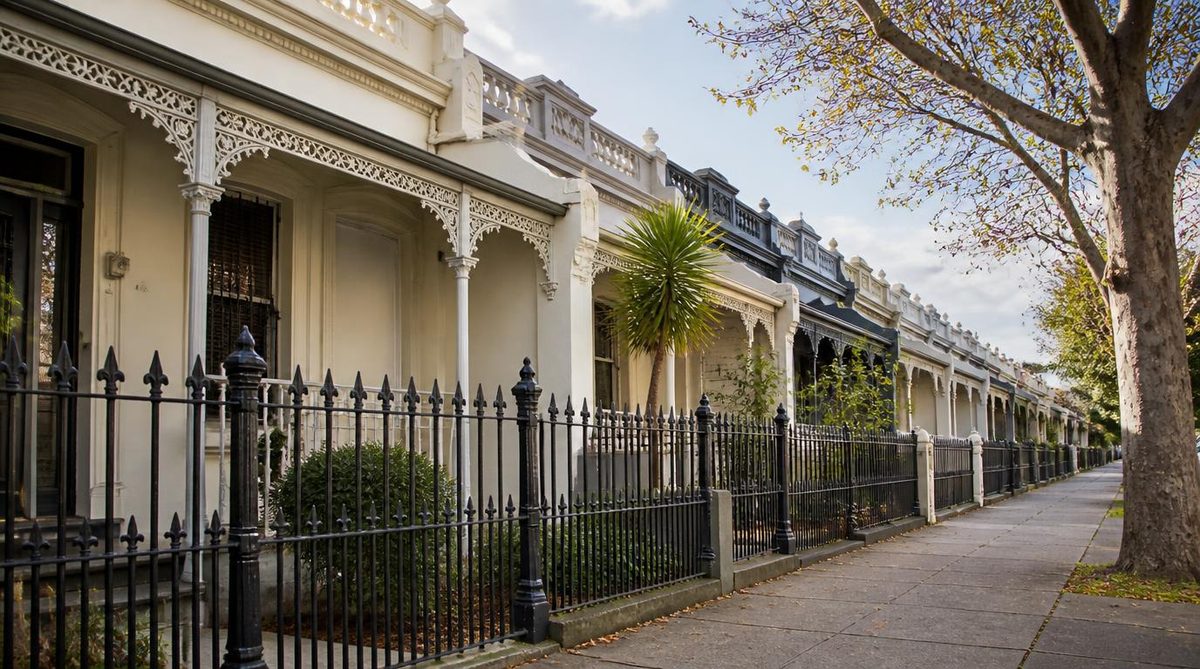
Yes, South Melbourne is generally an expensive suburb compared with the wider Melbourne property market. Houses command the clearest premium because landed homes are scarce. Apartments can offer a more accessible way into the area, though their total cost and value vary greatly between buildings.
The comparison changes when South Melbourne is measured against premium inner-south suburbs such as Toorak. It may look less expensive beside those markets. That does not make it affordable in broad terms. It means the buyer has changed the benchmark.
A suburb-wide median also gives an incomplete answer. A renovated Victorian house, an older apartment and a newer unit with parking belong to separate parts of the real estate market. Buyers and renters should judge each property against similar homes, then include the costs hidden behind the advertised price.
Which market should you use as your benchmark?
Start by choosing a fair comparison area. South Melbourne looks expensive against metropolitan Melbourne because it sits close to the Melbourne central business district and has limited landed housing. It can look more attainable when placed beside selected prestige suburbs. Both views can be true.
This is why claims that a suburb is cheap or expensive often cause confusion. One person may be comparing a South Melbourne apartment with a house in an outer suburb. Another may be comparing a period house with one in Toorak or Albert Park. They are looking at different property types and buying different amounts of land.
The right benchmark reflects the decision you are making. A buyer who must remain near the city should compare South Melbourne with realistic inner-city alternatives. Someone who works from home and can live farther out has a much wider market. For that buyer, paying for proximity to the city may offer less value.
Renters need their own benchmark. The purchase price of local housing does not tell you whether the current rental market suits your budget. Compare like-for-like advertised homes, then check whether the rent covers the features you need. A cheaper listing is a poor comparison if it lacks a bedroom, parking or suitable access.
Do not let a single median settle the question. A median marks the middle sale in a reported set. It does not describe the exact cost of the home you want. It may also shift when the mix of properties sold changes. Your useful benchmark is a group of recent, similar properties.
Why do houses and apartments produce different answers?
South Melbourne has two distinct affordability stories. Houses carry a strong land component, while apartments share land and building costs across many owners. Treating them as one market hides the difference that matters most.
Landed homes are limited. Many have Victorian character, established street settings and easy access to the city. Buyers who want those features compete within a small pool. A renovated house can attract a different group from a home needing major work, even when both have a similar number of rooms.
The house median can also move when relatively few comparable houses sell. If a reporting period includes more renovated homes, the median may rise without proving that every house gained the same amount. If more small or unrenovated homes sell, it may fall without making the best homes cheaper.
Apartments cover a much wider range. The category can include older walk-up units, large established apartments, compact newer homes and boutique developments. Floor area, natural light, outlook, parking and building quality can change the price. Bedroom count alone is not enough.
A lower apartment price does not prove better value. Owners-corporation fees, planned building work and defects can turn a cheap purchase into an expensive home. A higher-priced apartment may have useful space, sound records and lower expected repair needs. The sale price is one part of the cost.
Filter comparable sales before drawing a conclusion. Match the property type, bedroom count, parking, condition and approximate size. For a house, include land and renovation quality. For an apartment, compare buildings of a similar age and style. This gives a far clearer answer than a suburb-wide headline.
What are buyers paying a premium for?
The main price driver is access to a scarce inner-city location. South Melbourne sits close to the Melbourne CBD, employment areas and everyday services. Buyers who value a shorter trip or the ability to complete more errands nearby may accept a higher property price.
Location can also replace other costs. A household that needs fewer long car trips may spend less on transport. That saving will not erase a large gap in the purchase price, but it belongs in an honest comparison. The same logic works in reverse. A buyer who still needs to drive each day may receive less benefit from the location.
Limited land supports the house premium. New apartments can add housing, but they cannot create more established streets filled with Victorian homes. Buyers seeking a house face that scarcity directly. Apartment buyers have more variety, so building quality and layout play a larger role in the final price.
Period character can add appeal, yet it may bring extra work. An older home can need repairs, insulation work or a new kitchen and bathroom. Renovation limits may also affect what an owner can change. Buyers should price the home they will own after settlement, not the polished idea created during an inspection.
Local shops, cafes and South Melbourne Market can support the value case because they make daily needs easier to reach. They should remain part of the calculation rather than becoming the whole reason to overpay. Buyers can visit these places from nearby suburbs. The property itself still needs to suit the budget and intended length of ownership.
Rank the features you are willing to pay for. If CBD access, a walkable setting or Victorian character sits low on your list, another suburb may deliver more space for the same money. If those features shape most days of your week, the premium may buy something you will use often.
Can two homes in the same suburb have very different value?
Yes. Street position, building records and property condition can matter more than the suburb median. Two homes with similar floor plans may carry different costs from the day their owners move in.
Traffic exposure can affect noise inside a home. Orientation can change natural light and heat. Parking may matter greatly to one household and have little value to another. For houses, land size, access and renovation quality affect what the buyer receives. These details cannot be captured by a suburb name.
Inspect at more than one time of day when possible. Stand inside with the windows closed, then open them. Check the light in the main living area. Notice nearby loading zones, busy routes and construction. This is property-specific due diligence, not a claim that one named street is always better than another.
Condition also changes the true price. A cheaper house may need structural repairs, rewiring or extensive renovation. A fresh cosmetic finish can hide old services. Obtain suitable inspections and quotes before treating the discount as a saving.
Apartment buyers need to investigate the whole building. Read owners-corporation records, recent meeting minutes and maintenance plans. Check current fees, proposed work and any known disputes or defects. Ask what the regular fees cover. A unit price tells you what it costs to enter the building, while the records help show what it may cost to remain there.
Consider a hypothetical comparison. One apartment has a lower asking price but faces major shared repairs. Another costs more and has strong records with routine maintenance funded. The first property is cheaper at settlement, yet it may place more strain on the buyer's later budget. The headline price alone would point to the wrong choice.
Use recent settled sales where available, since advertised prices may not show what buyers paid. Compare several similar properties rather than choosing the one sale that supports your preferred answer. If the homes differ in condition or parking, adjust your view instead of treating them as equal.
Does expensive property still make sense for a buyer, renter or investor?
Price and value answer different questions. Price is what the property costs. Value is what the buyer, renter or investor receives in return for that cost. Each group needs a separate test.
What should an owner-occupier measure?
An owner-occupier should focus on the full cost of securing a suitable home. Add the purchase price, stamp duty, legal work, inspections, loan costs, rates, insurance and expected maintenance. For an apartment, include owners-corporation fees and a buffer for special levies. For an older house, allow for repairs that cannot wait.
Then compare the result with realistic alternatives. A lower-priced home elsewhere may require longer travel, another car or a property that will soon feel too small. Those trade-offs have a cost, even when they do not appear in the sale contract.
What should a renter measure?
A renter should assess rent separately from purchase prices. Start with homes that match the required size and features. Add parking charges, utility differences and likely transport costs. Check the lease terms and condition of the property rather than assuming a high rent guarantees a better home.
Renting can also provide a practical way to test whether the location is worth its premium before making a larger commitment. The aim is not to predict future prices. It is to learn whether the benefits improve daily life enough to justify the current cost.
What should an investor measure?
A real estate investor needs evidence beyond the suburb's reputation. Compare the purchase price with achievable rent for a similar property. Deduct owners-corporation fees, rates, insurance, management, maintenance and an allowance for vacancy. Review the building and the local supply of competing rentals.
A high price does not prove a sound investment. A low unit price does not prove a strong yield. Capital gain is uncertain, so a short period of past growth should never stand in for a full investment case. The property must work under current costs and a realistic range of rental outcomes.
How can you test whether the suburb fits your budget?
Set an all-in limit before looking at listings. This limit should leave room for purchase costs, immediate repairs and an emergency buffer. A lender's maximum approval is not the same as a comfortable household budget.
Choose one property category. Decide whether you are testing houses, older apartments or newer apartments. Set the required bedrooms, parking and minimum usable space. This prevents attractive but unsuitable listings from weakening the comparison.
Next, choose realistic alternative suburbs. Hold the main property features steady while comparing recent sales or rents. Record the compromises attached to each option, such as less space, more travel or higher building costs. Do not compare a South Melbourne house with a distant apartment and call the price gap meaningful.
South Melbourne is too expensive for your budget when suitable properties keep exceeding the all-in limit or force compromises you cannot accept. It can still offer sound personal value when the location replaces costs, saves useful time or provides scarce property features you will use for years.
Take one action: set your all-in limit, choose one property type, and compare several like-for-like South Melbourne homes with realistic alternatives before booking an inspection.